

As you know, Fantasia '25 was always intended for the big screen—all the sweeping cinematography, the cosmic wonder, the classic anthems to spark your curiosity and stir your soul. After its July theatrical release, the acclaimed visual symphonic journey was supposed to disappear into the vault, emerging only as a rare artifact for future archaeologists studying what we got right before everything went sideways.
But when it comes to making art in 2025, the audience wants what the audience wants. We heard you. Your messages keep coming. Your enthusiasm is relentless. Apparently, demanding we "release the damn thing already" is the new love language. Fine, You win. We’re doing this.
The concept was simple: reimagine Disney's Fantasia using the Voyager spacecraft’s Golden Record as our North Star—humanity's ultimate mixtape, currently floating somewhere past Pluto. Now, Down the Rabbit Hole is bringing you the full movie, in carefully curated pieces. Each release comes with exclusive director’s notes: the stories behind the choices—why this song, why this image, why now. Think of it as your backstage pass to a year-long obsession with matching sound to vision until something approaching magic happened.
First up: When Bowie met the machine...
When Bowie Met the Machine: A Visual Symphony of Fame and Transformation
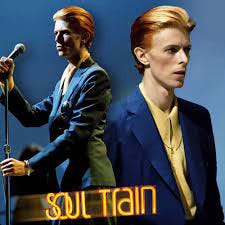
Picture this: It's 1975, and David Bowie struts onto the stage of Soul Train. He’s fresh off his Ziggy Stardust era and diving headfirst into his "plastic soul" phase. The performance that follows is electric, angular, almost robotic. Bowie is clearly high with a slightly bemused smirk.
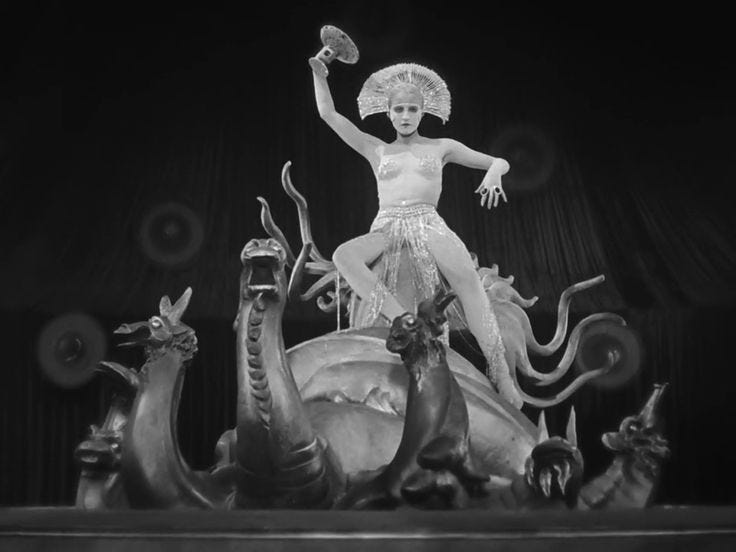
Now imagine that energy colliding with Fritz Lang's 1927 masterpiece Metropolis, specifically that hypnotic sequence where the robot Maria performs her seductive dance, mesmerizing the crowd with movements that blur the line between human and machine.
Add to this mix the kaleidoscopic abstractions of Harry Smith's Mirror Images No. 11 - those fragmentary, crystalline visions that feel like looking into a broken mirror that somehow shows you the future - and you've got something that shouldn't work but absolutely does.
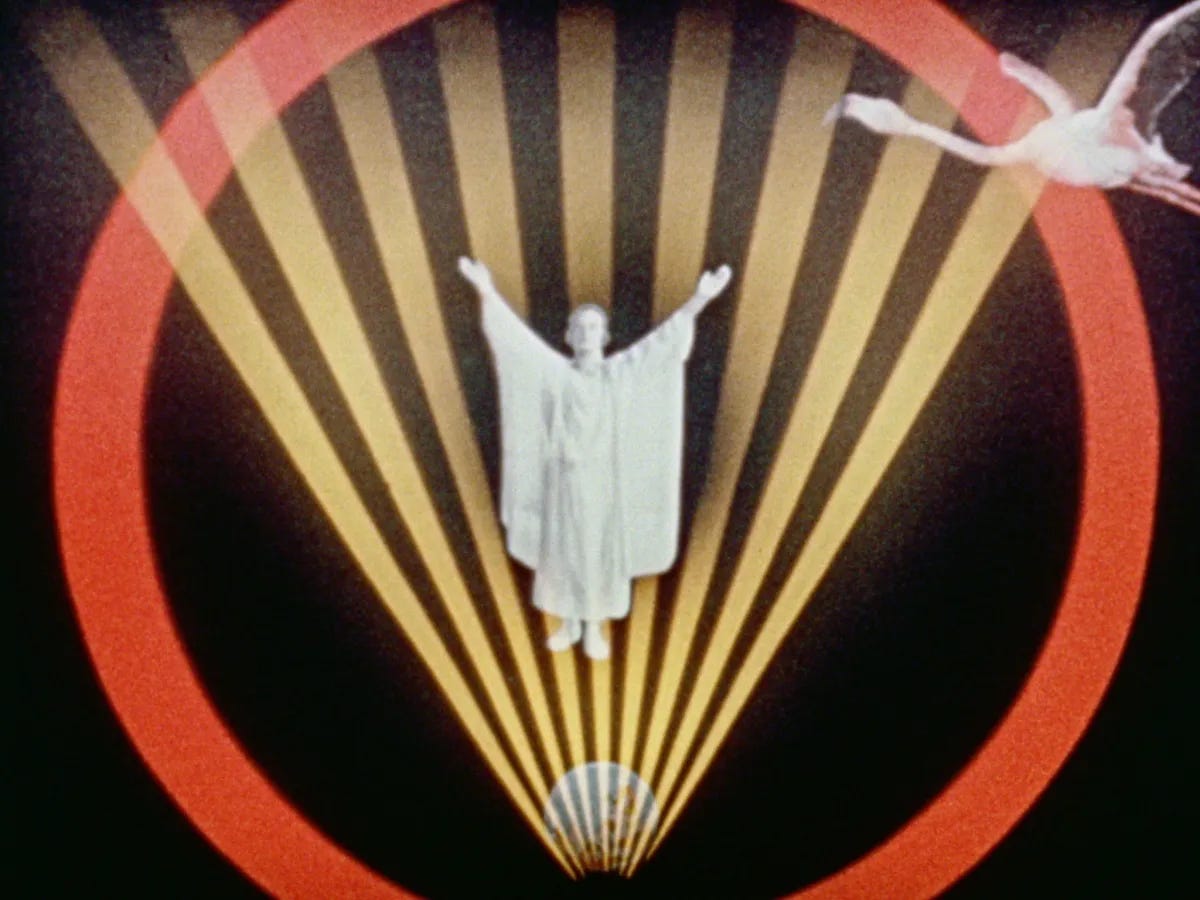
What emerges is a meditation on performance, identity, and the ways we've always been cyborgs, long before we had a name for it. Bowie's Soul Train appearance wasn't just a TV performance; it was a transmission from someone who understood that fame itself was a kind of transformation, a becoming-machine. When you layer that against Lang's prescient vision of human-robot ambiguity and Smith's fractured stop-motion visual poetry, the result feels less like a mash-up and more like an archaeological dig into our collective unconscious.
Sometimes the best way to understand where we're going is to see how the future was always already here.