
Life: The Final Frontier
The Allure and Irony of Star Trek's Lasting Influence

Gene Roddenberry's Bold Vision—To Go Where No “Man” Has Gone Before—Filled Me with Youthful Inspiration (and a Host of Inappropriate Gender Biases), but it Couldn’t Prepare Me for Life's True Grandeur

It’s 11:30 PM on a Tuesday. I’m scrolling through the TV apps determined to defeat the algorithms’ uninspired recommendations, when I discover someone has been streaming the original Star Trek series on my Paramount+ account. My teenage son, I suspect, thought he’d probably deny enjoying something so “ancient.” He's deep into the third season: Episode 8, "For the World is Hollow and I Have Touched the Sky." As I tap resume, memories come flooding back—not just from this episode where Doctor McCoy finally gets his own storyline (an awkward romance with a scantily-clad planetary ruler)—but of my 1970s childhood. While America grappled with Watergate and gas lines, I was sitting cross-legged in front of a behemoth console television absorbing Star Trek reruns. By that time, the crew of the Enterprise was exploring strange new worlds every night at 6 PM on channel 11, WPIX, in direct conflict with my family’s traditional suppertime.
“Dinner time!” my mom yelled downstairs. “Five more minutes..." I yelled back, desperate to see how Kirk planned to save the Enterprise this time. Every night became a test of wills which I inevitably lost, a family tradition that I would replay thirty years later with my own kids, yet again in the losing role.
What my parents couldn't have known then was how thoroughly James T. Kirk and his two alter-egos, Spock and McCoy, were quietly shaping my future. Beneath the phaser battles and alien encounters, I was absorbing Gene Roddenberry’s implicit promise: a future filled with an unending series of elegant adventures and discoveries, each more fascinating than the last. While my friends were honing their competitive spirit on the playing field or chuckling at the frivolous antics of the Dukes of Hazard, I was subconsciously internalizing Kirk's questionable brand of 1960s manhood and leadership.
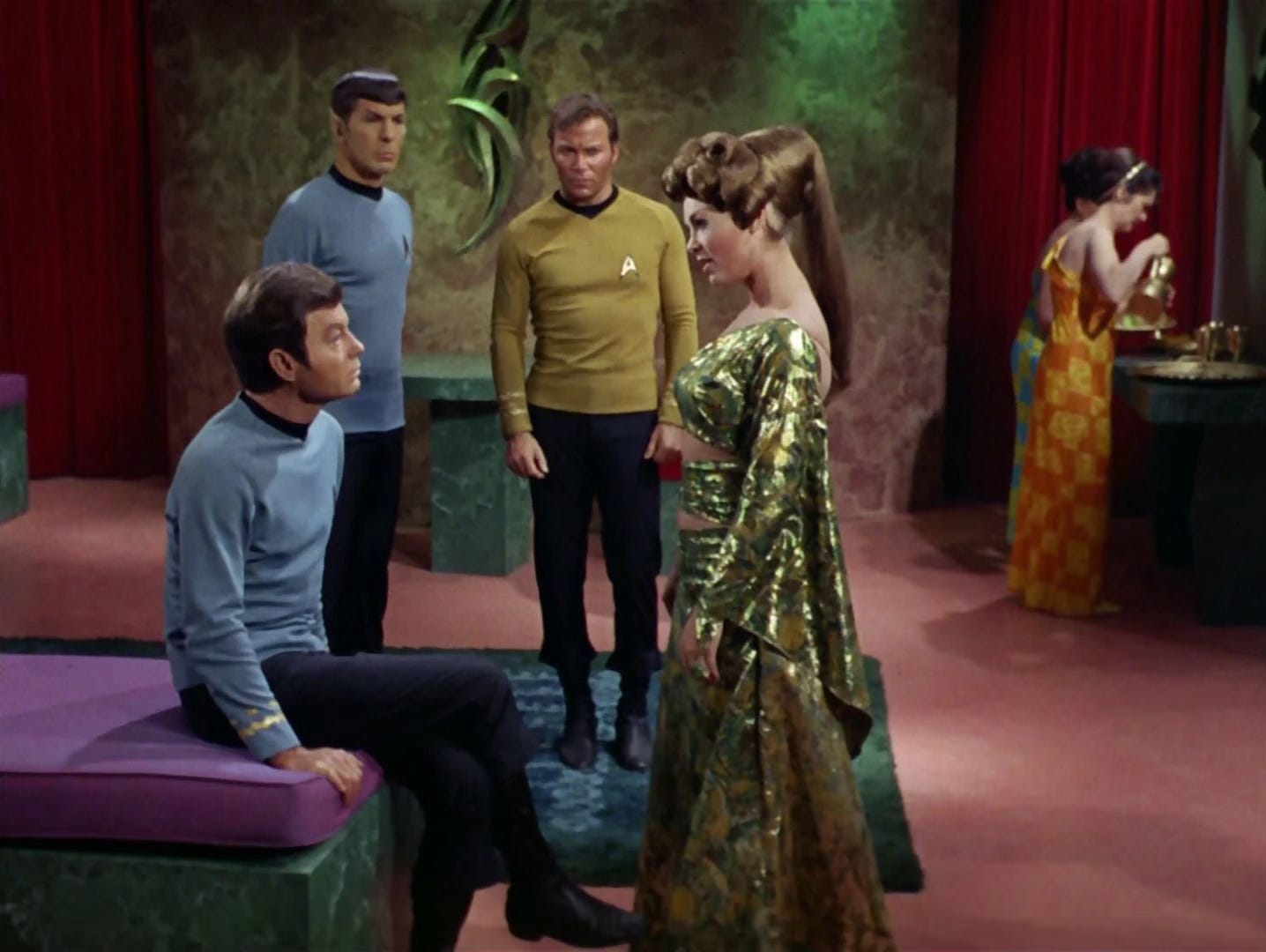
Yet somewhere between standing watch along the Korean DMZ and negotiating with local officials in Afghanistan's rugged mountains, I discovered the elegant simplicity of televised space exploration had misled me. The original Star Trek episodes never showed the captain spending hours haggling over annual budgets or trying (and failing) to explain the political intricacies of China-Taiwan relations to Pentagon bureaucrats. Kirk never dealt with homesickness during holidays spent thousands of miles from family, or the particular discomfort of a military transport with questionable climate control flying somewhere over Kabul.
While my "To Boldly Go…” ethos inspired me to become fluent in Mandarin, no script prepared me for the complexity within Chinese society alone—more nuanced than an entire season of planetary visits. During a stint at the embassy in Beijing, I realized that understanding even a single neighborhood's social dynamics required more cultural anthropology than Spock ever performed with his tricorder. The stark reality of my own five-year missions revealed something television couldn't capture: true exploration contains vast stretches of bland grandeur (blandeur??)—moments neither dramatic nor inconsequential, but quietly, stubbornly real.
To be fair, there were several times on diplomatic assignment in rural Mongolia that felt right out of a Star Trek episode that Kirk would have relished. Like a dramatic first contact worthy of science fiction, I found myself in a yurt, struggling to explain American policy objectives. I’m lost in layers of translation all the while calculating whether the interpreter's interpretation of my interpreter is accurate. Unfortunately, no dramatic music swelled as I waited hours in sub-zero weather for a decision from local border officials, my only entertainment watching fermented mare's milk being prepared in conditions that would have horrified Dr. McCoy.
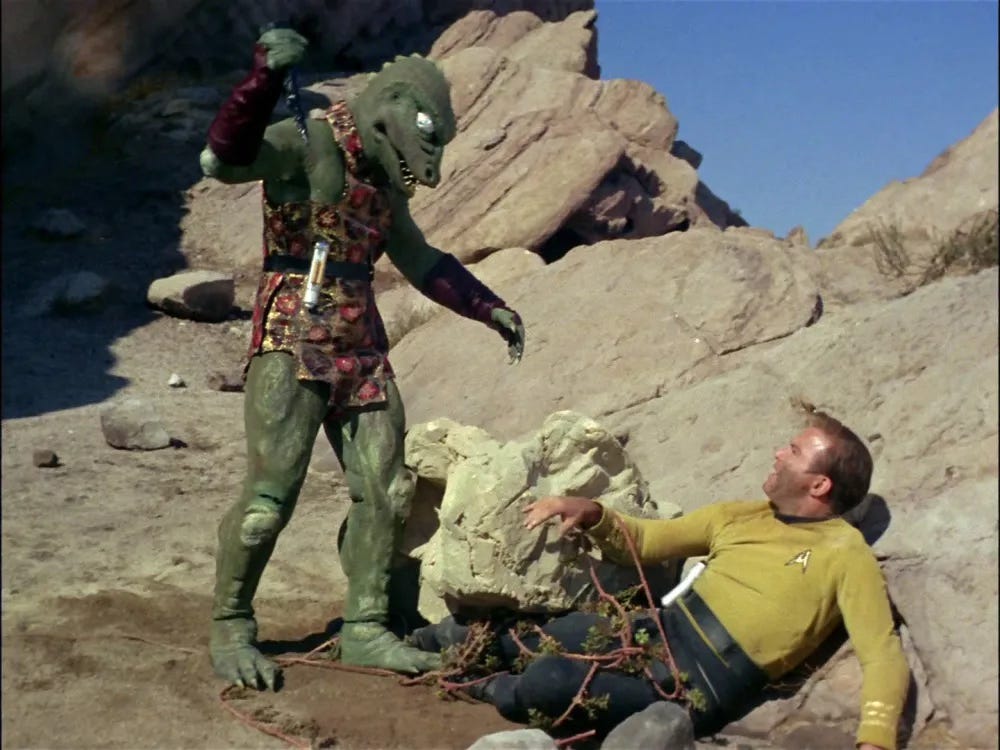
But then came the transition Star Trek never depicted: retirement. Captain Kirk never aged out of space exploration to contemplate his second act. The show offered no guidance for the day the uniform comes off for the final time and the mission transforms from exploring strange new worlds to navigating the equally complex terrain of civilian life.
After all the stirring speeches and farewells, after the foreign honors, medals, and commendations, I found myself quietly turning in government equipment and signing retirement forms in triplicate, followed by the quiet closing of an office door and the surreal experience of walking into a parking lot without a defined mission for the first time in decades.
I shifted focus to raising children—a form of exploration entirely absent from Star Trek's universe. No starship manual outlined the delicate diplomacy required for parent-teacher conferences, no food replicator to help with making dinner menus, no starfleet manual for the strategic planning involved in college applications. Financial aid forms made military requisition paperwork seem elegantly streamlined by comparison. The show's neat episodic conflicts offered no template for the decades-long mission of shepherding young lives toward their own frontiers. Life’s beautiful grandeur had set in.
Retirement brought its own irony: having finally accumulated the wisdom to command effectively, I found myself with a crew of three restless and rebellious teenagers. The daily adventure of military service gave way to the challenge of creating purpose without externally imposed missions. Here was the final frontier Star Trek never acknowledged—the vast, uncharted territory of crafting meaning when the uniform and rank no longer define you.
Yet within this life lies a beauty no television show could capture. The slow, painstaking work of maintaining family bonds across decades. The quiet triumph of watching children launch toward their own stars. The profound satisfaction of relationships deepened through mundane shared experiences rather than dramatic crises.
Yesterday, sitting in the stands as my daughter received her degree, I experienced a moment of pride more profound than any commendation ceremony. Her journey—from the little girl who absolutely refused to watch Star Trek reruns with me, to the confident young woman charting her own course—represented an exploration more meaningful than any planetary survey.
As I watch McCoy fall in love in this third-season episode, I realize that Star Trek's greatest gift wasn't preparing me for reality but inspiring me to meet it with curiosity and courage. The show's vision pushed me toward stars I might otherwise never have reached for, even if the journey there involved considerably more paperwork and considerably fewer photon torpedoes than advertised.
Now in life's third act, I’m still inspired by that fictional future, still striving to boldly go—not through space, but through the equally infinite frontier of ordinary days made extraordinary through attention and care. The beautiful grandeur of a life well-lived may lack dramatic scoring and convenient commercial breaks, but it offers something far more valuable: authenticity, with all its messy complications and quiet revelations.
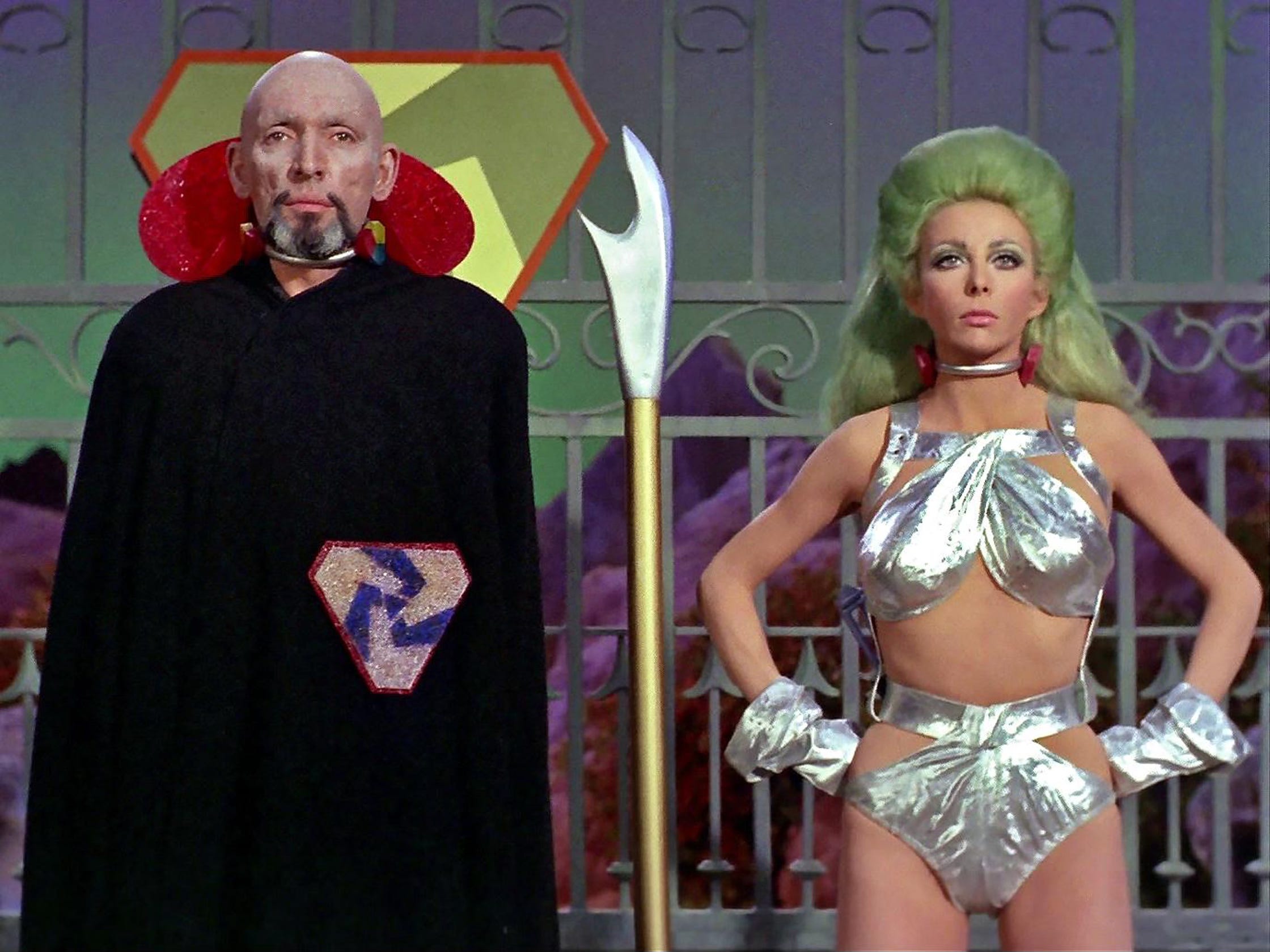
As the credits roll on “For the World is Hollow and I Have Touched the Sky,” I find myself contemplating Roddenberry's legacy. Despite its dated portrayals and occasional cringe-worthy gender dynamics, Star Trek's optimistic vision of humanity's future continues to resonate with me and across generations. Whether I'm entirely comfortable admitting it or not, those 79 episodes of low-budget, occasionally pulpy sci-fi profoundly shaped my expectations and life choices throughout this brief, chaotic journey called life. Lately, like McCoy’s love interest Natira in episode 8, I feel like sometimes the world is a little hollow indeed, but Roddenberry's creative invitation to 'touch the sky' remains powerful—a lasting gift he undoubtedly intended. His flawed but hopeful universe helped me navigate my own.
Perhaps that’s the final irony of Star Trek's influence: it taught me to seek out strange new worlds, only for me to discover that the strangest, most fascinating world of all was the one waiting to be explored within the ordinary moments of everyday life—no warp drive, just the courage to wake up and pay attention each morning.